New LED efficiency at busy LA airport
Over six years of operation, the LED lighting system has reduced annual electricity costs from $73,000 to $18,000.
Los Angeles International Airport (LAX) is the fifth busiest airport in the world, accommodating more than 61 million travelers per year. In September 2006, LAX installed a major new LED lighting system to improve visual impact and reduce energy and maintenance costs.
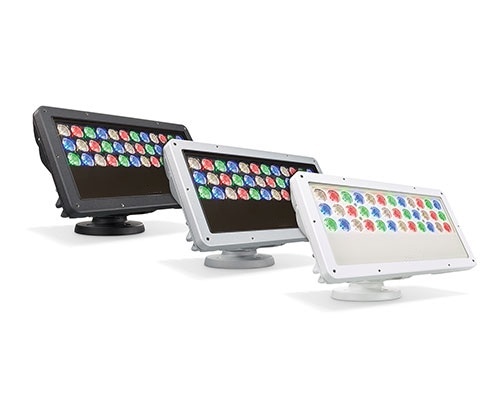
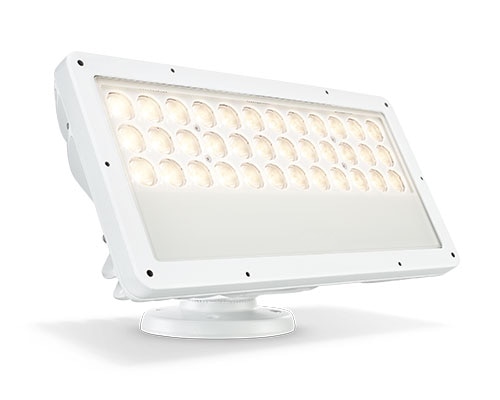
The lighting renovation called for approximately 1,800 ColorBlast Powercore LED floodlights to replace the five-year-old metal halide lamps that had illuminated the LAX Gateway, 26 glass pylons leading to the airport entrance. The pylons range in height from 7.6 to 33.5 m (25 to 110 ft), and create a colorful and welcoming experience for airport visitors.
ColorBlast Powercore luminaires can produce 16.7 million colors at the push of a button while consuming only 50 watts each. Since they were installed four years ago, the LED luminaires have cut energy consumption by 75%, reducing annual electricity costs from $73,000 to $18,000.
The entire system runs 12 hours a day, seven days a week, and requires minimal upkeep, cutting maintenance costs from $1 million to just $20,000 annually. Twice a year, a maintenance team clears dirt and sediment off the lenses. Over the life of the installation, only 70 luminaires have needed replacement— the result of a faulty waterproof electrical box rather than fixture failures.
"We are extremely pleased with the installation, and if we had to do it again, we wouldn’t change a thing," said Bill Cameron of Los Angeles World Airports. "It was a significant investment for us, but over the past four years it has paid us back in energy and maintenance savings more than three times over. On top of the economic benefits, the pylons are more uniformly lit from top to bottom and the colors are so vibrant."
Airport management intends to keep the LAX Gateway running as long as it can, and will replace the system only when it is too old or costly to maintain, which Cameron says "will probably not happen during my long tenure with the company." In fact, the airport recently purchased more than 200 additional ColorBlast Powercore luminaires to serve as backup inventory when older luminaires need to be replaced.
Due to the success of the initial installation, Los Angeles World Airports has expanded their use of LED lighting luminaires from Color Kinetics. Most recently, 50 eW Blast Powercore floodlights were installed inside Terminal Four to provide general illumination and highlight architectural details.